
On-page SEO is the direct and internal optimization of your website, which includes content and HTML structure. This improves relevance, while off-page SEO is all about external actions, which involve backlinks and social media optimization, to build authority and trust. Both of them have equal significance when it comes to making your website visible or ranking on the search engines.
SEO is one of the most important elements in digital marketing as it helps websites rank higher in search engines like Google. Companies use SEO strategies to drive traffic to their websites, enhance their online visibility, and bring in potential clients. There are two parts of SEO: one is On-Page SEO, and the second is Off-Page SEO. Both are equally important to the performance of the website and its ranking on search engines. Understanding the difference between these two SEO techniques equips businesses to develop more effective marketing strategies and achieve sustainable online growth successfully.
Table of Contents
What is On-Page SEO and Its Features?
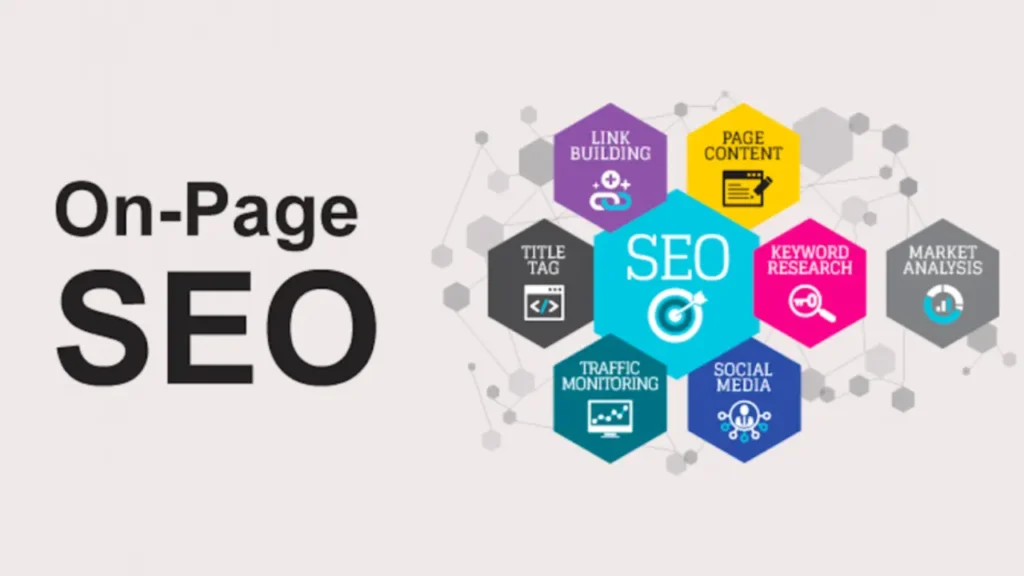
On-page SEO is a process of optimizing activities that are performed directly on a website. This helps to improve search engine rankings and user experience. Some key elements of on-page SEO include optimizing website content, keywords, page structure, loading speed, and technical elements. Websites performing proper on-page SEO can improve their visibility in search engines.
Features of On-Page SEO
1. Proper Keyword Placement
When a keyword is placed properly, it helps search engines to understand your content and increases the chances of ranking higher for the targeted search queries.
2. Optimized Title Tags & Meta Descriptions
On-page SEO involves optimization of title tags and meta descriptions. This improves click-through rates and provides better information on search engines.
3. Quality Content
The content on the website should be well-optimized and of high-quality. This on-page SEO technique attracts visitors and helps search engines to identify the website as valuable and informative for users.
4. Internal Linking
Internal linking helps users and search engines to discover important pages on the website in a better way, and it also improves the navigation of the website. Therefore, this is a crucial aspect of on-page SEO.
5. Quick Loading Website Pages
Quick loading website pages enhance user experience and reduce bounce rates, which further results in improved search engine rankings.
Key Elements of On-Page SEO: A Brief Overview
| On-Page SEO Element | Purpose |
| Title Tags | Improve search visibility |
| Meta Descriptions | Increase click-through rates |
| Keyword Optimization | Help pages rank for keywords |
| Heading Tags | Organize content properly |
| High-Quality Content | Improve user engagement |
| Internal Linking | Enhance website navigation |
| Image Optimization | Improve speed and SEO |
| URL Structure | Make URLs user-friendly |
| Page Speed | Improve website performance |
| Mobile Friendliness | Enhance mobile experience |
Why On-Page SEO is Important?
On-page SEO is an important factor when aiming to make your website perform better on search engines, rank well, and improve user experience. Here are some important reasons why on-page SEO is important for every website.
1. Better Search Engine Rankings
On-page SEO assists search engines in correctly understanding your website’s content. A good On-Page Search engine optimization (SEO) makes use of keywords, headings, and website structure to increase rankings on Google search results.
2. Improves User Experience
A well-optimized website loads faster, is easier to navigate, and provides useful content. This makes the experience better for visitors and encourages them to stay longer. This way, several brands and businesses with potential on-page SEO efforts can grow their business with the utmost ease.
3. Boosts Organic Traffic
Optimized pages with the right keywords and good quality content will increase the organic traffic of the websites from users who are looking for related products or services on the web. Therefore, with more organic traffic, brands will be able to build their credibility in an enhanced way.
4. Understanding Content Intent
Search engines use title tags, headings, keywords, and meta descriptions to get an idea of what a webpage is about. On-page SEO caters to these elements well and enhances content clarity and boosts search visibility effectively.
5. Enhances Website Performance
Technical improvements under the overall on-page SEO, such as mobile responsiveness, page speed optimization, and proper URL structures, enhance overall website performance and create better engagement opportunities for users.
What is Off-Page SEO and its Features?
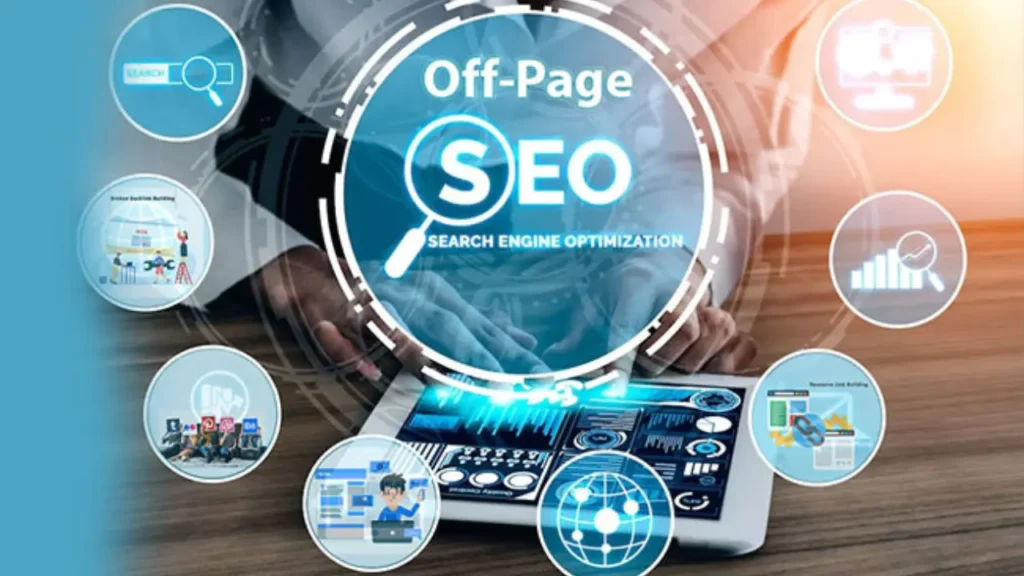
Off-page SEO refers to all the activities that you do outside of the website to improve the website’s authority, trust, and ranking in search engines. It’s more about backlinks, brand promotion, social media engagement, and online reputation building. Strong off-page SEO builds website credibility with the search engines and makes it valuable for users.
Features of Off-Page SEO
1. Backlink Building
Backlink building helps in improving the authority of the website by acquiring links from trusted and high-quality websites related to your business industry.
2. Social Media Marketing
Social media marketing increases brand visibility and helps websites get traffic through online audience engagement and content sharing.
3. Guest Posting
Guest posting is one of the most essential off-page SEO techniques for businesses to build authority by publishing valuable content on external websites that are relevant and highly authoritative.
4. Business Listings Online
Online business listings on reliable websites help to improve local SEO visibility and make it easy for customers to find your business information on different online platforms.
5. Partnering with Influencers
Influencer collaboration on leading social media platforms allows businesses to reach wider audiences via trusted digital personalities and creators. In 2026, this is one of the best ways of promoting businesses and building brand trust.
Key Elements of Off-Page SEO: A Brief Overview
| Off-Page SEO Element | Purpose |
| Backlink Building | Increase website authority |
| Social Media Marketing | Improve brand visibility |
| Guest Posting | Build trust and backlinks |
| Business Listings | Improve local SEO presence |
| Influencer Marketing | Reach wider audiences |
| Online Reviews | Build customer trust |
| Forum Participation | Increase audience engagement |
| Content Sharing | Drive referral traffic |
| Brand Mentions | Improve online reputation |
| Directory Submissions | Increase website exposure |
Why Off-Page SEO is Important?
Off-page SEO takes action outside the website and helps websites to build authority, trust, and online reputation. In 2026, having a potential off-page SEO strategy is very important for the ranking of a website by a search engine and for gaining visibility.
1. Builds Site Authority
Backlinks play a huge role in building overall credibility for a brand. Trustworthy backlinks inform search engines that your website is trustworthy and valuable. Over time, this improves your website’s domain authority and search engine rankings significantly. Therefore, businesses must obtain backlinks for significant growth.
2. Increases Brand Awareness
Off-page SEO techniques, such as social media sharing, guest blogging, and online mentions, allow businesses to reach wider audiences and enhance overall brand recognition on digital platforms and search engines.
3. Builds Search Engine Trust
Search engines also consider external signals like backlinks and reviews when ranking websites. With a good off-page SEO plan, you can build trust and enhance the credibility of the website in search results.
4. Generates Referral Traffic
If businesses have relevant websites that provide quality backlinks, they can get more direct referral traffic from users who are looking for similar products or services or informational content online.
5. Enhances Online Reputation
Positive reviews, social media engagement, and online brand mentions help businesses to build a significant digital reputation and increase customers’ trust in the brand.
On-Page Vs Off-Page SEO Comparison Table
On-page SEO and off-page SEO are both important to improve website ranking and online visibility. But they differ in their strategies, activities, and goals. Here’s a simple comparison table of on-page SEO vs off-page SEO:
| Basis of Comparison | On-Page SEO | Off-Page SEO | Main Focus | Example |
| Definition | Optimization inside the website | Optimization outside the website | Website relevance and authority | Content and backlinks |
| Control | Fully controlled by the website owner | Depends on external platforms | Search visibility improvement | Social media shares |
| Main Activities | Content optimization, speed, and keywords | Link building, guest posting, promotion | Website ranking growth | Backlinks |
| Purpose | Improve user experience and relevance | Build authority and trust | Better search engine ranking | Online mentions |
| SEO Factors | Titles, headings, images, URLs | Backlinks, reviews, shares | Organic traffic growth | Influencer promotion |
On-page SEO is applied when you want to improve the website internally for better rankings, user experience, and search engine understanding. Here is when you can leverage on-page SEO:
When to Choose On-Page SEO?
- Uploading new content to the website
- In the event of website redesigns or updates
- When improving page speed and performance
- Keyword and heading optimization
- Fixing technical SEO problems
When to Choose Off-Page SEO?
Off-page SEO is the set of techniques to increase the authority, trust, and online reputation of your website through external promotion and backlinking. Here is when you can leverage off-page SEO:
- When boosting brand awareness on the internet
- During backlink building campaigns
- When sharing content on social media
- Increasing domain authority
- When doing influencer/guest blog campaigns
Conclusion
On-page SEO and off-page SEO are both important factors that affect search engine rankings and help grow your online business. On-page SEO helps to optimize website content, structure, and performance, while off-page SEO builds authority, trust, and brand visibility through external efforts. For long-term SEO success and better digital marketing results, businesses should use both strategies together.
If you are looking for professional SEO support, Web Glaze Services provides reliable and result-oriented digital marketing solutions in India. We offer high-quality on-page and off-page SEO services that are designed to help businesses improve rankings, increase traffic, and grow successfully online with effective SEO strategies. So, get in touch with us and take your business to the next stage of digital growth.
Also Read – Best SEO Plugins for WordPress Websites

